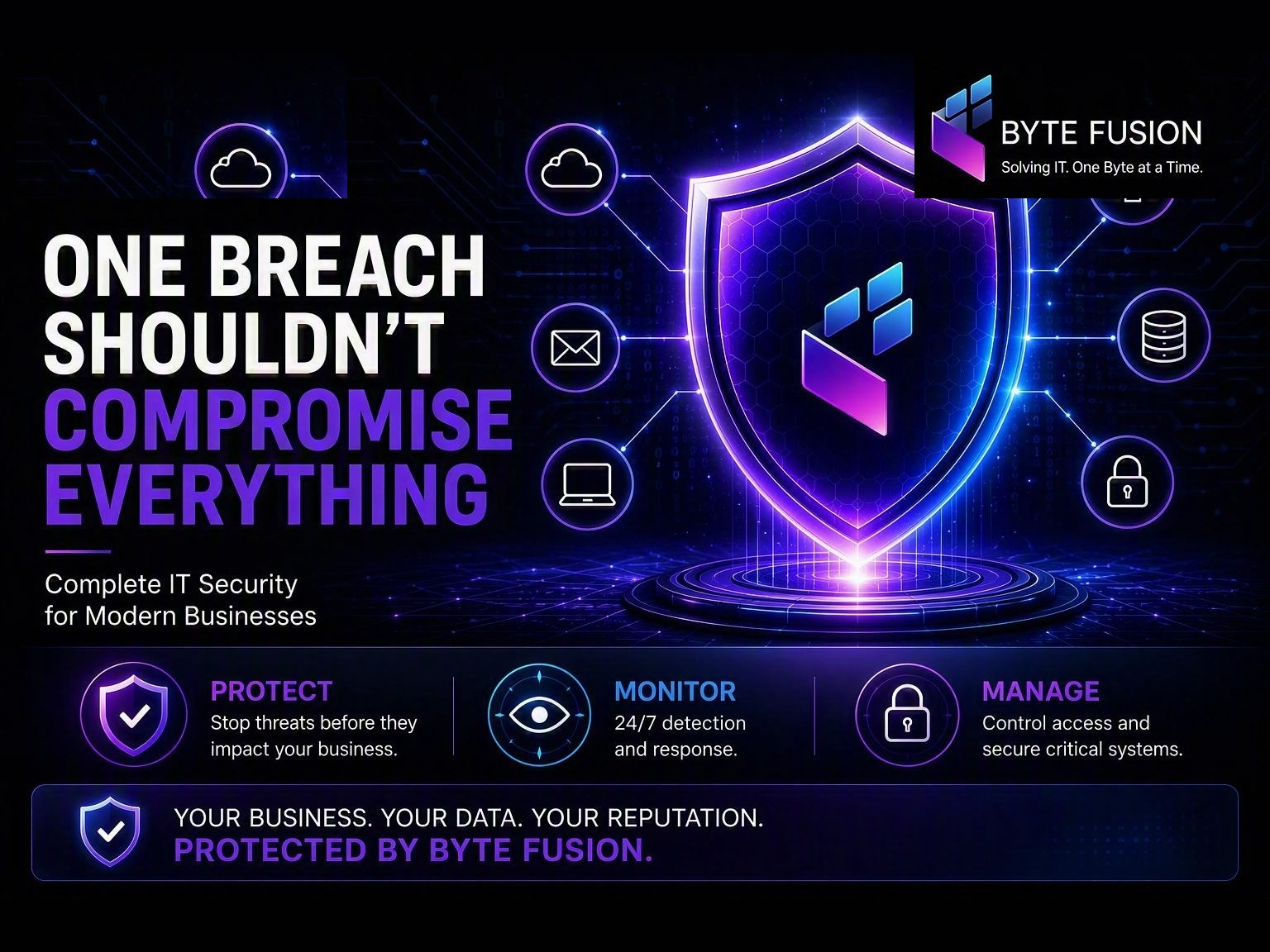
What passwords, convenience, and a single point of failure can teach every business owner
For years, a technology engineer followed the advice most cybersecurity experts give. He used a password manager, enabled two-factor authentication, ran antivirus software, and took online security more seriously than most people do.
Then, in a single afternoon, everything unravelled.
The password manager he had trusted for a decade became the master key criminals used to access more than a thousand accounts, including his banking, iCloud, medical records, and his children's online profiles.
Where the Risk Begins
Password managers remain one of the safest and most effective ways to manage passwords. They help users create strong, unique credentials for every account and sharply reduce the risks that come with weak or reused passwords.
But they also introduce a critical dependency: whoever gains access to the master password may gain access to everything stored inside.
In this case, the password manager also held the engineer's two-factor authentication codes. Instead of two independent layers of protection, both lived in the same place. Once criminals were in, they bypassed both safeguards at once.
This happened to an individual, but the same pattern plays out in businesses every day. A single compromised account can unlock email, accounting systems, cloud storage, customer databases, and critical business applications.
How One Breach Becomes Many
Once criminals reached the engineer's accounts, they did far more than steal data.
They defaced his children's gaming profiles, exposed private medical information, and set off consequences that reached into his professional life. His employer accessed personal cloud data through his work laptop and used it to dismiss him. He is now pursuing legal action.
For business owners, the warning signs tend to look different.
A competitor somehow knows your pricing strategy. A client relationship cools without explanation. Sensitive information turns up outside the organization. Or ransomware surfaces after months of undetected access.
Cybercriminals rarely smash through the front door. More often, they walk quietly through an account that already holds the keys.
The Hidden Risks Inside Many Businesses
Most businesses accumulate access risks over time without realizing it.
Former employees may still have active accounts. Contractors may keep permissions they no longer need. Shared passwords may open several systems at once. A single admin account may carry far more privileges than the role requires.
On their own, these issues can look harmless.
Together, they create exactly the environment attackers look for: one weakness that opens multiple doors.
The challenge isn't simply keeping criminals out. It's limiting how far they can go if they get in.
Build a Smarter Cybersecurity Foundation
A stronger foundation limits the damage a compromised account can cause and makes suspicious activity easier to spot. Key elements include:
- Network Segmentation – A properly configured firewall separates the critical parts of your network, so a compromise in one area doesn't automatically expose every system.
- Centralized Access Management – A single platform shows who can reach which systems and lets administrators remove, modify, or audit permissions quickly.
- Managed Detection and Response (MDR) – Continuous monitoring surfaces threats sooner, and dark web monitoring can alert you when company credentials appear in known breaches.
Together, these measures reduce risk, improve visibility, and strengthen your ability to respond when something goes wrong.
The Question Every Business Owner Should Ask
When did you last audit who has access to your business systems?
Do former employees still have active accounts? Are contractors accessing platforms they no longer need? Are shared credentials being used across critical applications?
Many business owners do not know the answer, and that is exactly the gap criminals exploit.
One Password Shouldn't Become a Business Crisis
Cybersecurity is not about preventing every breach. It is about ensuring that a single mistake, stolen password, or compromised account does not put your entire business at risk.
The engineer's experience is a powerful reminder that convenience without proper safeguards can create dangerous single points of failure. The lesson is not to abandon password managers, but to build security layers that prevent one compromised credential from becoming a complete compromise.
By regularly reviewing access, removing unnecessary permissions, and implementing the right security controls, you can dramatically reduce the impact of an attack before it becomes a crisis.
If you're not completely sure who has access to your business systems today, Byte Fusion can help. We'll provide a clear view of your security landscape, identify hidden risks, and help you close the gaps before someone else finds them.